

What Are Intergenerational Activities in Assisted Living?
Intergenerational activities are planned interactions between older adults and younger generations, such as children, teens, or young adults. In assisted living settings, these experiences often include shared arts and crafts, storytelling, gardening, games, and group discussions. Such programs aim to create a sense of shared purpose and reduce social barriers between age groups.
Locally, assisted living residents often encounter opportunities to participate in activities with nearby schools or youth volunteer groups, especially during the school year or around holidays. These experiences are tailored to be meaningful and accessible for residents while ensuring safety and comfort for all participants.
How Do Intergenerational Activities Benefit Assisted Living Residents?
Participating in intergenerational programs offers unique benefits for older adults. Residents often notice brighter moods, improved self-esteem, and increased motivation. Briefly, the presence of children, teens, or college students can lift spirits and foster a greater sense of community.
Further, these activities:
- Encourage conversation that sparks memories and storytelling, which may help maintain cognitive abilities.
- Promote physical activity through shared projects, such as light gardening or collaborative art.
- Foster a sense of purpose when residents are asked to share skills or advice based on their experiences.
- Reduce isolation that sometimes arises in communal living environments.
These benefits are often felt most strongly in winter and early spring, when weather limits outings and daylight is shorter, making on-site connection even more valuable.
What Types of Activities Are Practiced Locally?
In Ambler, intergenerational activities tend to reflect the region’s seasonal options, community interests, and available spaces. Common examples include:
- Crafting sessions—residents and local students create holiday decorations or greeting cards together.
- Gardening projects—multi-age groups plant flowers in shared outdoor courtyards or raised beds.
- Board games and puzzles—residents teach traditional games or learn new ones from their younger visitors.
- Storytime events—residents read aloud to children, or the group shares stories from their lives.
- Music and movement—sing-alongs, simple dance, or rhythm circles that encourage all ages to join in.
These activities are adapted for safety and comfort, such as choosing large-piece puzzles or low-impact gardening, and scheduling shorter sessions to avoid fatigue. Participation is always voluntary.
Can These Activities Improve Cognitive Health or Memory?
Yes, engaging with children and young people may support memory, attention, and language skills. Research suggests that reminiscence and cross-generational interaction can stimulate parts of the brain involved in recall and social function. Residents who routinely talk with young people are often more likely to engage in storytelling, which is linked to maintaining verbal skills.
In some cases, participants experiencing the early stages of dementia or memory loss may benefit from these activities, since the energy and curiosity of youth can serve as gentle prompts for conversation and engagement. While these interactions do not replace medical treatments, they can be a helpful piece of maintaining social and mental health.
Are There Social Benefits for Area Households or Families?
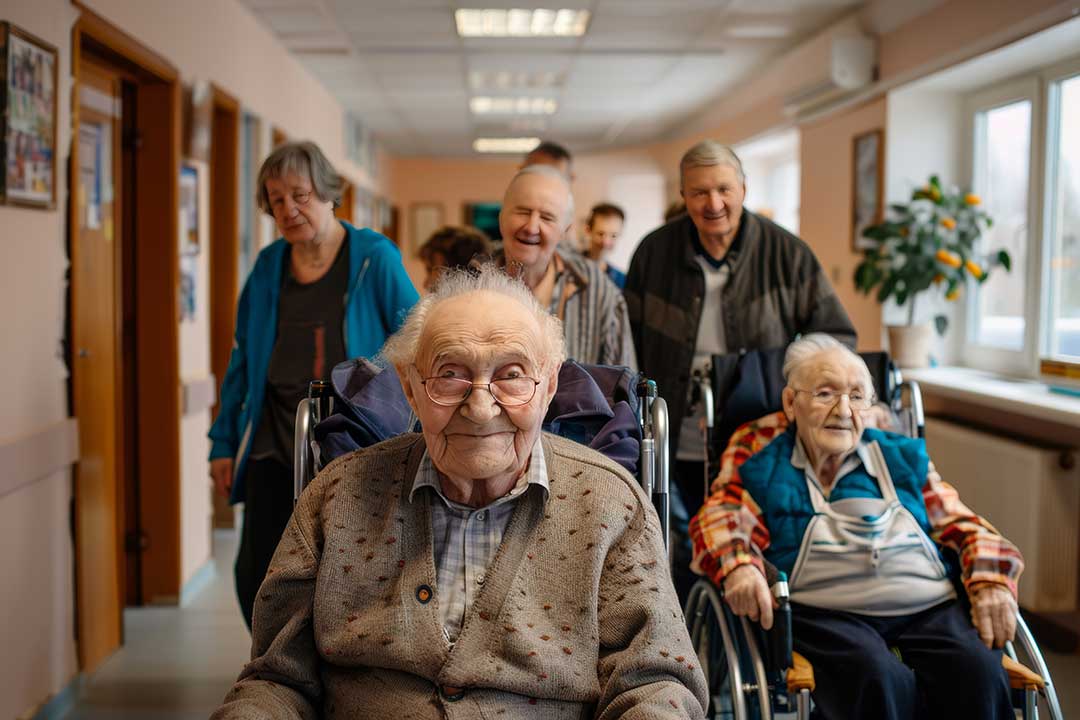
Yes. Local families who take part, often as part of school community service or youth group visits, usually find that their children learn empathy, patience, and respect for elders. For residents, sharing time with children and teens from the area often strengthens a sense of belonging and continuity—especially for those whose grandchildren or relatives live in other regions.
Intergenerational activities can also bridge gaps between residents of different backgrounds, fostering a wider understanding across both age and cultural lines. Group projects such as mural painting or oral history recording sometimes highlight the traditions or experiences unique to the Ambler region, connecting residents and families to local history.
How Are These Programs Arranged and What Should Residents Know?
In most assisted living settings, intergenerational programs are organized in partnership with nearby schools, youth groups, or volunteer organizations. Resident participation is typically optional, and events are planned with input from staff and participants to ensure comfort, accessibility, and safety.
Before joining, residents may want to ask:
- How are children or youth selected and prepared for their visits?
- Are there guidelines for privacy or health safety, such as illness prevention?
- What if a resident prefers to observe instead of participate directly?
Providers take care to match activity types to resident interests and abilities. Feedback is often gathered after events to shape future programming.
What Are Common Misconceptions or Concerns?
It’s a common belief that only outgoing or socially active residents enjoy these events, but many quieter individuals find gentle pleasure in simply watching interactions or contributing behind the scenes. Another misconception is that these programs disrupt the calm daily rhythm of assisted living communities; in reality, sessions are planned to align with residents' preferences and daily routines.
Some worry about safety or illness transmission, especially during colder months. Responsible organizers screen for symptoms and encourage hand hygiene and outdoor activities when possible, especially given Ambler’s seasonal climate and close-knit community layout.
Why Do Intergenerational Activities Matter within Assisted Living?
For many residents, staying connected to the broader community is a priority. Shared activities with younger generations offer more than just entertainment—they build mutual respect, inject vitality into daily life, and help preserve personal and local stories. In a region with distinct seasons and a community-oriented lifestyle, such programs can be a meaningful way for area households to come together and support well-being across all ages.
