

How Does Conflict Typically Arise in Assisted Living?
Conflict in assisted living environments can occur when individuals with different backgrounds, habits, or expectations share communal spaces. Residents may experience disagreements over daily routines, noise levels, shared facilities, or even misunderstandings about personal space.
- Shared dining rooms, recreational areas, and hallways can be hotspots for misunderstandings, especially if there are differing opinions on quiet hours or tidiness.
- Adjusting to new living arrangements or changing health needs can sometimes increase sensitivity to potential slights.
- Unspoken assumptions or cultural differences can also play a role, as neighbors come from varied walks of life.
What Are Immediate Steps Residents Can Take to Address Disagreements?
Residents often ask how they should respond the moment a disagreement begins. The first and most effective step is usually to stay calm and listen carefully before reacting.
- Take a slow, deep breath and try to keep your voice and posture relaxed.
- Give the other person a chance to explain their perspective, even if you disagree.
- Repeat back what you’ve heard to show you understand: For example, “I hear that you’re frustrated about noise late at night. Is that right?”
This approach usually helps reduce tension and keeps the discussion focused on solving the specific issue rather than letting emotions take over.
Should Family Members Get Involved in Day-to-Day Disputes?
Generally, residents can resolve many everyday conflicts on their own. Family involvement is most helpful when communication breaks down or when a resident feels unsafe or unable to advocate for themselves.
- Encourage open conversation before involving relatives, as independent problem-solving builds confidence and fosters positive community ties.
- If mediation is needed for ongoing disputes, staff may facilitate a meeting or include a trusted family member if all parties agree.
How Can Assisted Living Staff Support Peaceful Coexistence?
Staff in local assisted living communities receive training in conflict resolution tailored to group living environments. Their goal is to support residents in having direct, respectful conversations whenever possible.
- Staff can act as neutral listeners if emotions run high or if previous attempts at conversation have stalled.
- Staff may help clarify house rules, explain why certain procedures exist, or offer reminders about community agreements.
Residents should feel comfortable reaching out; staff are there to maintain safety and harmony, not to take sides.
What Personal Strategies Help Residents Prevent Future Disputes?
Personal habits can go a long way toward creating a low-conflict environment. Some residents find these simple strategies effective:
- Respecting noise curfews, especially during evening hours
- Keeping personal items within individual living spaces and cleaning up shared areas after use
- Using calendars or notes to avoid overlaps for more congested amenities, such as laundry rooms or activity spaces
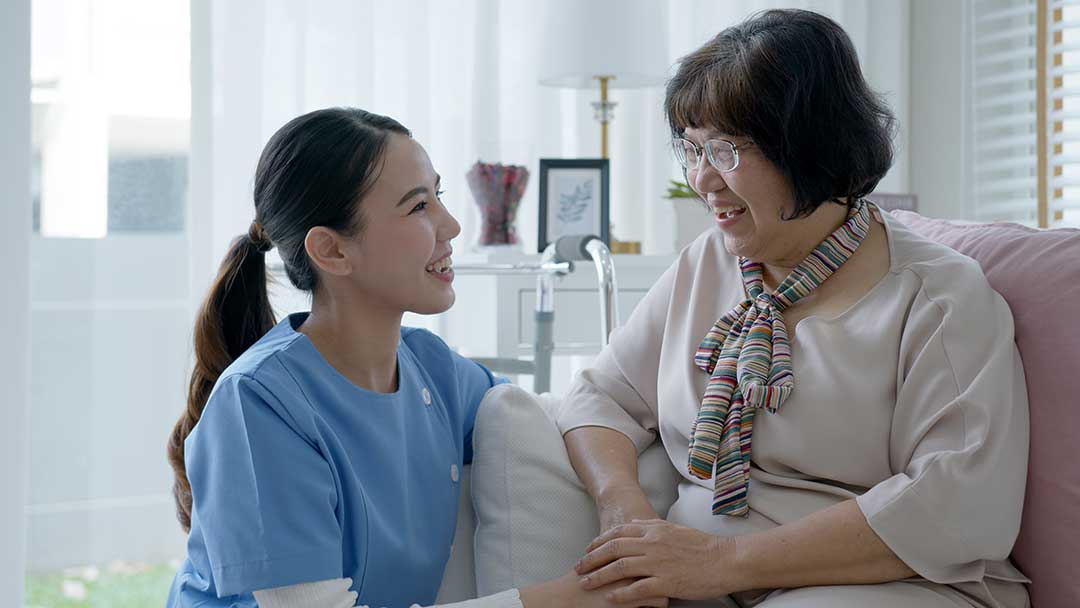
It’s also helpful to remember that moods can fluctuate due to medical conditions, medications, or simply having a difficult day. Patience and empathy often de-escalate situations before they become conflicts.
Are There Common Misconceptions About Disputes in Assisted Living?
A frequent misunderstanding is the assumption that staff will always intervene or that conflicts signal a larger problem with the community culture.
- Many disagreements are minor and can be resolved directly between residents.
- Not every conflict means people are poorly matched or that the environment is unhealthy; small disputes are a normal part of any group living situation.
- Expecting no conflict at all can create disappointment. Realistically, learning to navigate disagreements is part of the adjustment process—especially during the first few months after moving in.
What Should Residents Do If They Feel Threatened or Unsafe?
Genuine safety concerns—like feeling threatened or experiencing harassment—require immediate support from staff or the local authorities. Most disagreements do not rise to this level, but severe situations are taken seriously.
- If an issue feels unsafe or escalates quickly, residents should notify staff as soon as possible.
- Area protocols ensure privacy and dignity while addressing concerns in a manner that prioritizes resident well-being.
In rare cases where every internal option has been explored without a resolution, residents or their families may consult local ombudsman programs for further advice.
How Does Local Community Culture Affect Conflict Approaches?
Communities in Ambler, PA, often value directness with a neighborly, respectful tone. Living near historic neighborhoods or in close-knit settings may influence expectations around privacy and shared responsibilities.
- Some residents find that informal gatherings, seasonal events, or resident councils help foster mutual understanding outside of conflict topics.
- Shared experiences—like dealing with the region’s seasonal changes or neighborhood traditions—can offer opportunities to bond, reducing misunderstandings over time.
Private living spaces are often close together, so small gestures like a greeting in the hallway or a note of appreciation after resolving a dispute can encourage a friendlier atmosphere.
